Tree Root Removal Branxton
Tree root removal in Branxton means cutting a root mat out of a choked sewer or stormwater line and then dealing with the joint that let it in. Our plumber in Branxton team films the line first, clears the growth, and prices any lasting repair from the footage before going further.
Licensed plumbers and gas fitters · NSW Lic. 359278C
Last updated October 2026
How Do Roots Get In?
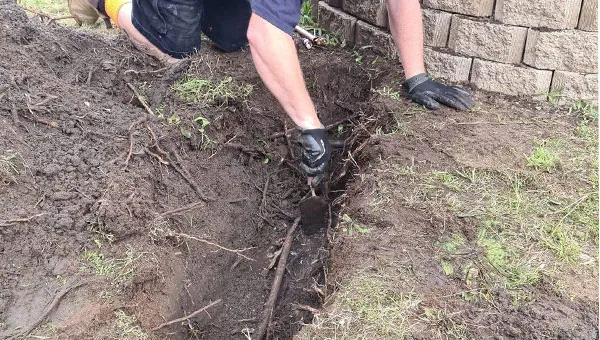
Roots cannot push through a sound pipe wall. They look for a shifted joint, a hairline crack or a loose cap, and follow the moisture inside.
- Clay and ceramic drains have a joint at every short length, so each run has many places for roots to try.
- Soil that shrinks in dry weather and swells in wet weather works those joints loose over the years.
- Once inside, a root keeps growing along the pipe until it forms a dense web that traps paper and waste.
- Clearing removes the mat, but the joint stays open until it is sealed or replaced.
So every root job finishes with the camera, to check whether the entry point needs more than a cut.
How We Remove Tree Roots
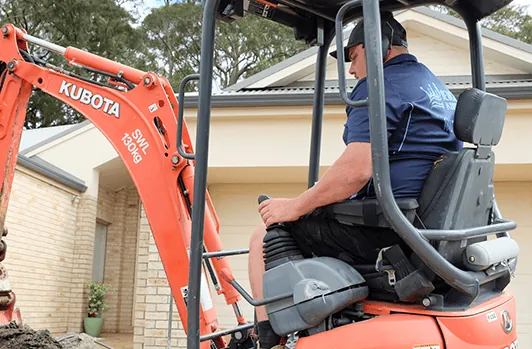
The tools depend on the pipe and the size of the growth; the order stays the same.
- 01
Film first
A CCTV drain inspection confirms roots are the cause and marks where they came in.
- 02
Cut and flush
A cutting head and the drain jetter break up the mat and wash it out, at a pressure set for the pipe.
- 03
Film again
A second camera run shows the cleared pipe and the joint the roots were using.
- 04
Seal or leave
A sound joint needs nothing more. A cracked or shifted one can be lined internally with pipe relining, without digging up the garden.
How Does Root Work Get Priced?
We provide up-front, honest quotes that will always match the final price, should you decide to go ahead.
How far the roots have spread is the starting point. A single entry joint is quicker to clear than growth running the length of the pipe.
The rest depends on:
- The pipe As old ceramic needs gentler tools than a PVC estate drain
- Access Since an inspection opening is easier than a pipe under paving
- The follow-up Where sealing a joint is priced separately and you choose whether to go ahead
Why Roots and This Town's Drains Keep Meeting
Many joints, old pipe
Moving clay underneath
A dry valley
"Woke up Friday to find my two kitchen sinks backed up. … Possibly tree roots from backyard neighbours." Anne
When We're Not the Right Call
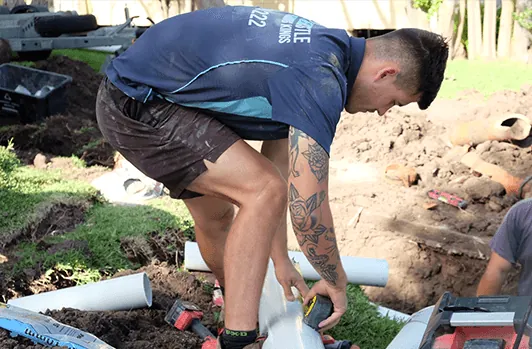
If the growth is in the shared sewer main past your connection, Hunter Water handle it once you report it. If the tree causing the trouble needs pruning or removal, that is a job for a qualified arborist, and if it stands on a neighbour's land, that conversation is between you and them.
Related Drain Work
The drains hub covers the other ways a drain fails: blocked sewer for inside-the-house symptoms and stormwater drains for yard water. If a backed-up drain is threatening the house, use the emergency plumber line.
FAQs
Do you just cut the roots out and leave it at that?
No. Cutting gets the drain flowing, and the camera run afterwards shows whether the joint the roots used needs a permanent repair. A sound pipe is finished with a clean cut and a jetting pass; a cracked joint leads to a relining price.
Why do tree roots keep finding my Branxton drain?
In the oldest streets the drains are clay and ceramic, with joints the reactive soil has pulled open over a century. The valley is drier than the coast, so roots go a long way for moisture, and a leaking joint is the easiest supply in the yard.
Does root removal need the yard dug up?
Not as a rule. The cutter and jetter go in through an inspection opening or a lifted cap, and the camera checks the result. Digging only comes up if the footage shows a length that has caved in.
How do I stop the roots coming back?
Seal the joint they come through. A liner does that from inside the pipe, closing the gap the roots were growing into. If the pipe is otherwise sound, a camera check every so often can catch new growth early.
Need a plumber? Call or send the form
Call (02) 4063 3475 or send the form below. Available 24/7, you see a fixed figure ahead of any work, and every job carries our 365-day warranty on all work.
Request a callback
Leave a name and number and a plumber will ring you back.